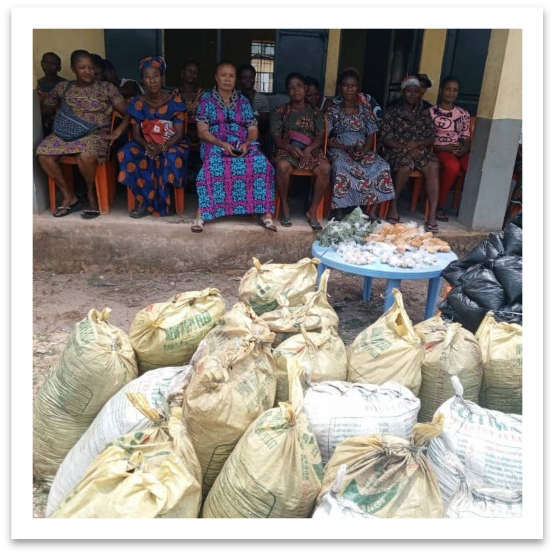
The community garden program took place on March 21st, starting promptly at 4:00 PM. The event opened with a prayer led by Mrs. Ogechi Duru, a widow, followed by a warm welcome address from the program coordinator. A total of 30 women attended (15 widows and 15 single mothers), which lasted for 3 days.
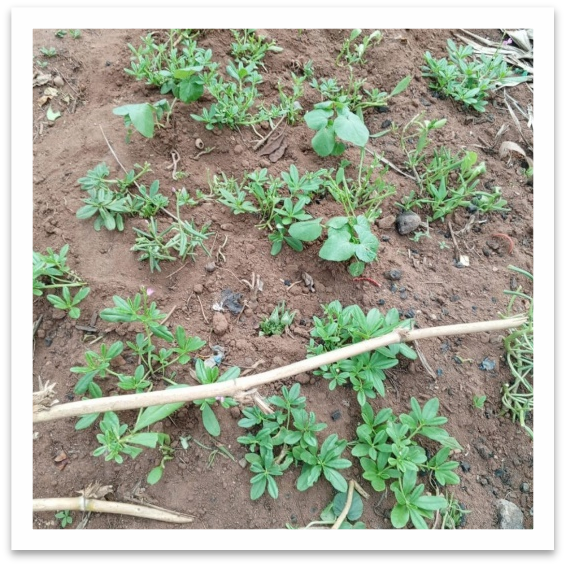
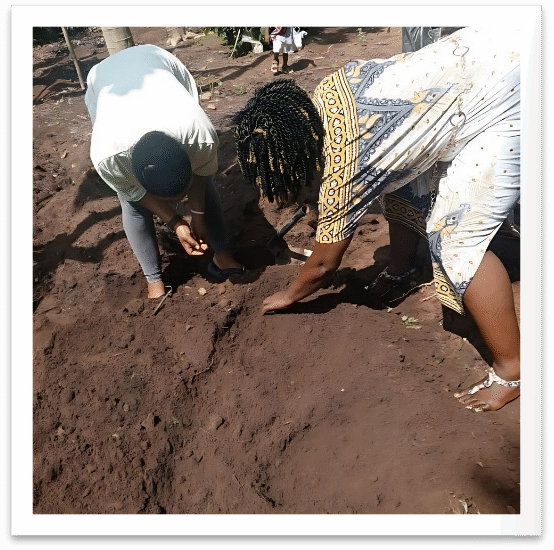
The coordinator began by introducing the purpose of the program, highlighting the benefits and importance of community gardens, and explaining how they can offer relief and sustainability for families. Following this, the coordinator also warned the women not to waste the seedlings given to them by the foundation. following this, the coordinator also gave specific instructions to the women on how they can care for the crops. Mrs. Chika Agu, once again, led the training session on how to grow simple vegetables in the community garden. Mrs. Agu discussed the health benefits and importance of vegetables such as ugu and water leaves green cucumber, red pepper, and Okoro. She provided specific instructions on how to apply manure and fertilizers to ensure the vegetables thrive and explained the critical role of rain. In the absence of rain, she encouraged the women to manually water the vegetables to prevent them from withering.
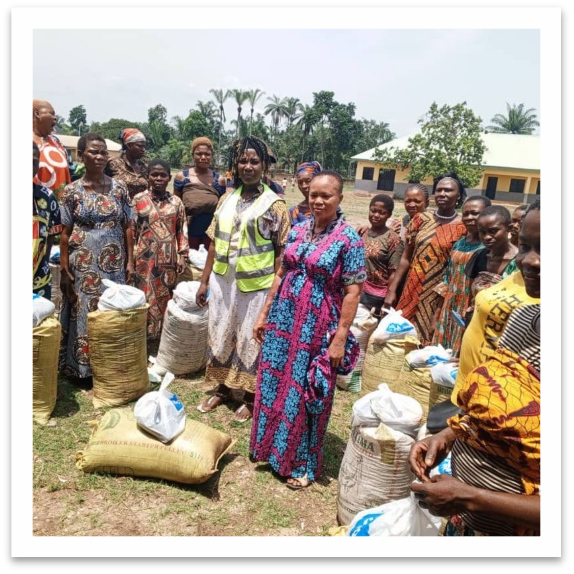
After the training, the facilitator answered various questions from the attendees with patience and attentiveness. The program concluded with the coordinator conducting interviews with the women to assert their understanding of community gardening. Widows and single mothers alike expressed their heartfelt gratitude to the foundation for its support. Their responses reflected deep appreciation for the program and the potential impact it could have on their lives. Following this, the women received the seedlings of the above-mentioned vegetables, a bag of manure and fertilizer, encouraging them to practice what they had learned in the training session.
The program ended at 2:06 PM, with the women leaving the venue with smiles and a renewed sense of purpose.
The Community Garden Program has established a solid foundation for participating single mothers to cultivate their food, leading to improved nutrition and financial savings. Continued support from the facilitator and coordinator will be crucial in maintaining momentum and ensuring the long-term success of this initiative.